Are you living with ulcers and would like to get a solution to it? Battling stomach ulcers can be terrifying and uncomfortable. In this piece, I will give you details about ulcers and some solutions.
Overview of Ulcers
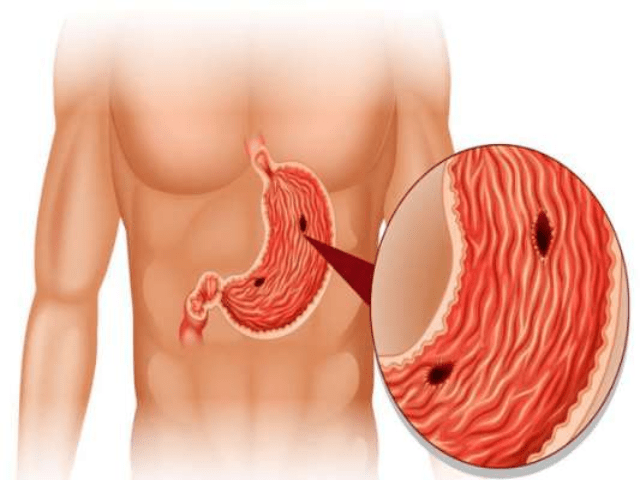
Stomach ulcers are painful blisters on the stomach lining. Your stomach has a thick protective layer of gastric mucus that shields it from the digestive juice.
Stomach ulcers, therefore, occur when the protective layer wears out. The digestive juice then reacts with your stomach lining leaving it tender and sore. Ulcers are treatable, especially if detected early. Otherwise, without proper medication, they can be severe and more painful.

What Makes your Stomach to Lose its Mucus?
Helicobacter pylori (H. pylori) infection leads to gastritis, the swelling of the stomach’s protective lining. If the infection is left untreated, you may end up getting peptic ulcers. The H. pylori bacteria can be present in utensils, food, or water.
People living in areas with poor sewage systems or lack of clean water for drinking are more vulnerable to H. pylori infection.
Peptic ulcers are wounds that grow in the protective layer of the small intestines, stomach, or lower esophagus. Failing to seek early treatment for H. pylori infection may also put you at a high risk of getting stomach cancer.
Some bacteria, chronic stress, some medication, immune system complications, and excessive consumption of alcohol are some possible causes of the inflammation.
You see, when the swelling occurs, the protective lining of your stomach goes through some changes. Furthermore, the lining loses some protective cells. You will, therefore, start feeling full after eating a small portion of food.
Prolonged and untreated chronic gastritis continually affects your stomach lining. The condition may eventually result in dysplasia or metaplasia, the precancerous alterations of your cells. If the condition remains untreated, it may result in stomach cancer.
What Causes Stomach Ulcers?
The most common causes of ulcers include:
1. Helicobacter Pylori (H. pylori)
H. pylori is a harmful type of bacteria that can enter and thrive in your digestive tract. Research confirms that two-thirds of the worldwide population have this bacteria. It’s, therefore, the most common cause of ulcers. The bacteria only affect some people, while others may live with it without any effect.
2. Nonsteroidal Anti-inflammatory Drugs (NSAIDs)
These are over the counter drugs like ibuprofen and aspirin. When you use these medicines for a long time, you put yourself at risk of getting stomach ulcers.
3. Unusual cancerous and noncancerous tumors
They may occur in the pancreas, stomach, and duodenum.
Other Rare Causes of Ulcers
- High levels of stomach acidity – this may be due to genetics, spicy foods, smoking, as well as chronic stress.
- Zollinger-Ellison condition – it’s an uncommon disorder that triggers excess production of stomach acid.
How NSAIDs Causes Stomach Ulcers
People take nonsteroidal anti-inflammatory drugs to reduce swelling, pain, inflammation, or fever. Everyone has two unique enzymes in the body cells that are responsible for stimulating fever, pain, and inflammation.
Now, the work of NSAIDs is to hinder or lessen the number of your body enzymes. Of the two unique enzymes, one is responsible for the production of a chemical that offers protection to your stomach lining.
The chemical safeguards your stomach lining from the destructive stomach acid and is also helpful in regulating the bleeding. Now, when you take aspirin or ibuprofen, and they block or lower the number of your body enzymes, you will then have high chances of getting stomach ulcers.
Symptoms of Peptic Ulcers
Stomach ulcers are among the various types of peptic ulcers. If you have peptic ulcers, you will experience the following symptoms:
1. Feeling full after eating a small food portion
2. Dull or burning pain in your stomach
3. Severe stomach pain at night
4. Feeling uncomfortable when eating or drinking
5. Weight loss
6. Vomiting blood and nausea
7. Heartburn
8. Feeling sick
9. Indigestion
10. Black or stool with blood
Ulcers Treatment
Depending on the type of peptic ulcers, the doctor may have the following options:
- Give you antibiotic drugs to moderate or cure the H. pylori infection.
- Suggest drugs that will help protect the stomach lining like Pepto-Bismol.
- Initiate a triple therapy – it incorporates both antacids and antibiotics.
- The doctor may prescribe to you drugs that lower stomach acids.
- Suggest over-the-counter antacid drugs for short-term pain relief.
- Give you medicines that treat ulcers. There are proton pump inhibitors as well as H2 blockers that are fruitful in lowering your stomach acid production.
- If your case is delicate, you may require surgery.
Surgical Treatment
If your ulcers don’t heal, you bleed a lot, or the condition stops food from leaving the stomach, then, surgery can be the only option.
The surgery may incorporate:
- Eliminating the nerves that are responsible for the production of the stomach acid
- Eradicating the ulcer
- Stitching tissue from your another body part onto the ulcer
- Binding the bleeding blood vessels
Precaution
Mostly, some of the foods we consume have acid, which leads to pain and discomfort. Imagine having blisters in your stomach, and then acid runs over them. That is what happens when the mucus on your stomach walls wears away, and you still eat acidic foods.
Parting Point
Some people live with ulcers and never take action to see a doctor. Whenever you experience the above symptoms, it’s thoughtful to seek medical treatment to avoid expensive surgeries. Also, untreated stomach ulcers may eventually result in deadly stomach cancer.
 Health and Fitness
Leave a comment